
When the crescent moon adorns the night sky in February or March, devotees from across India converge at the ancient Arulmigu Arunachaleswarar Temple in Tiruvannamalai for one of the most spiritually charged celebrations of the year—Maha Shivaratri. This sacred night transforms the temple into a realm of divine energy, where the air resonates with Vedic chants, the glow of thousands of oil lamps illuminates the darkness, and Lord Shiva’s presence is felt in every corner.
If you’re planning to experience this extraordinary spiritual journey in 2026, this comprehensive guide will walk you through everything you need to know about the special poojas, rituals, and the significance of celebrating Shivaratri at this powerful Shiva temple.
Why Maha Shivaratri at Arunachaleswarar Temple is Unparalleled
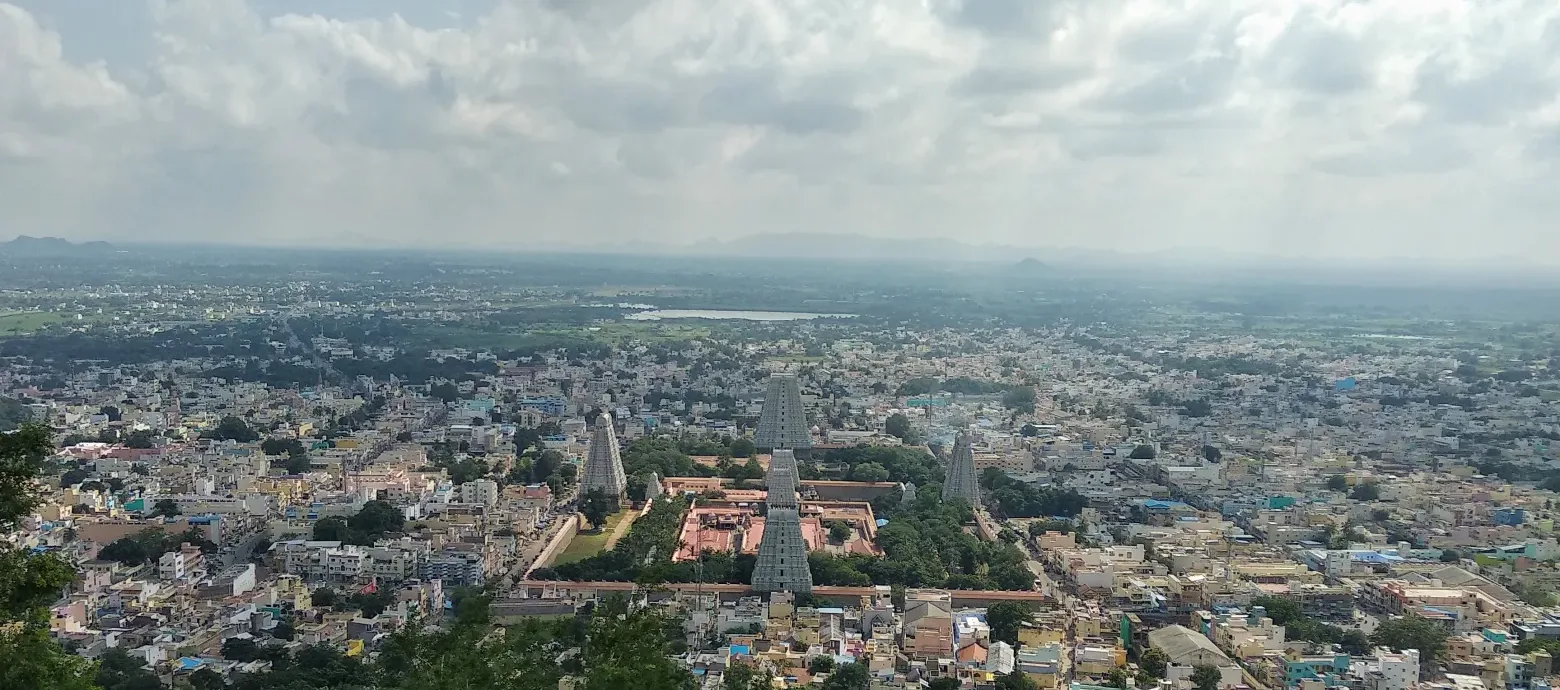
The Arulmigu Arunachaleswarar Temple isn’t just another Shiva temple—it’s one of the Pancha Bhoota Sthalams, representing the fire element (Agni). According to ancient mythology, Lord Shiva manifested as an infinite pillar of fire at this very spot, making Tiruvannamalai an exceptionally potent location for Shivaratri observances.
On this auspicious night, the temple conducts continuous worship through four distinct time intervals called ‘Jamas,’ each representing a different phase of spiritual awakening. The atmosphere becomes electric as devotees stay awake throughout the night, participating in prayers, witnessing elaborate rituals, and absorbing the divine vibrations that permeate the sacred space.
The Sacred Four-Jama Pooja: Night-Long Divine Worship
The cornerstone of Shivaratri celebrations at the temple is the Four-Jama Pooja, an ancient tradition that divides the night into four sacred intervals. Each Jama features special abhishekam—a ceremonial bathing of the Shiva Lingam with sacred substances that carry profound spiritual significance.
During these rituals, priests perform abhishekam using milk (representing purity), honey (symbolizing sweetness in life), ghee (for spiritual illumination), and curd (signifying prosperity). The rhythmic chanting of mantras combined with the visual spectacle of these offerings creates a mesmerizing experience that touches the soul of every observer.
What makes this ritual particularly powerful is its continuity—there’s no pause in the worship, no break in the connection between the devotee and the divine. As one Jama concludes, the next begins, creating an unbroken chain of devotion that lasts until dawn breaks.
1008 Bilwa Archana: The Obstacle-Removing Ritual
Among the most sought-after special poojas is the 1008 Bilwa Archana, a powerful offering that holds immense significance in Shaivite traditions. Bilwa leaves are considered exceptionally dear to Lord Shiva, and offering them with proper mantras is believed to remove obstacles and grant spiritual merit.
The number 1008 isn’t arbitrary—it represents completeness in Vedic numerology. Each leaf is offered with a specific mantra, creating a cumulative effect that amplifies the spiritual benefits. Devotees who participate in or sponsor this archana often report experiencing clarity in decision-making, resolution of long-standing problems, and an overall sense of divine grace entering their lives.
Rudrabhishekam: Invoking Divine Blessings Through Ancient Chants
The Rudrabhishekam stands as one of the most revered rituals performed during Maha Shivaratri at Tiruvannamalai. This elaborate ceremony involves the continuous chanting of the Rudram, one of the most powerful Vedic hymns dedicated to Lord Shiva’s fierce yet benevolent form.
As priests perform abhishekam while reciting these ancient verses, the vibrations created are said to purify not just the temple space but also the consciousness of everyone present. The ritual is particularly recommended for those seeking health improvements, prosperity in business, and overall well-being for their families.
The cost for booking a Rudrabhishekam is approximately 5,000 INR, and it can be reserved online through the official temple website or at the temple counter. Given the high demand during Shivaratri, early booking is strongly advisable.
Special Abhishekam Options and Evening Rituals
Beyond the main ceremonies, the temple offers several special abhishekam options that devotees can participate in:
Milk Abhishekam is available for 1,000 INR and is considered highly auspicious for those seeking peace and harmony in family relationships. The pure white milk cascading over the ancient Lingam creates a visual representation of purity washing away negativity.
The Sayaraksha Pooja, conducted during the evening hours, costs 200 INR and serves as a protective ritual. This pooja is traditionally performed to ward off negative influences and ensure safety and security for the family.
For those seeking comprehensive blessings, the 1008 Sangu Pooja (conch offering) is available for 10,000 INR. The conch, representing the primordial sound of creation, when offered 1008 times with mantras, is believed to bring about transformation and spiritual elevation.
Homam: The Sacred Fire Ritual
Complementing the water-based abhishekams is the powerful Homam or sacred fire ritual. Fire has always been considered the mouth of the gods in Vedic traditions, and offerings made into the consecrated fire are believed to reach the divine realm directly.
During Shivaratri, special homams are conducted alongside the main poojas, creating a balance between the cooling effect of abhishekam and the purifying energy of fire. The smoke carrying the offerings upward becomes a visual representation of prayers ascending to the heavens, while the warmth of the fire symbolizes the burning away of karmic obstacles.
Girivalam: The Sacred 14 km Circumambulation
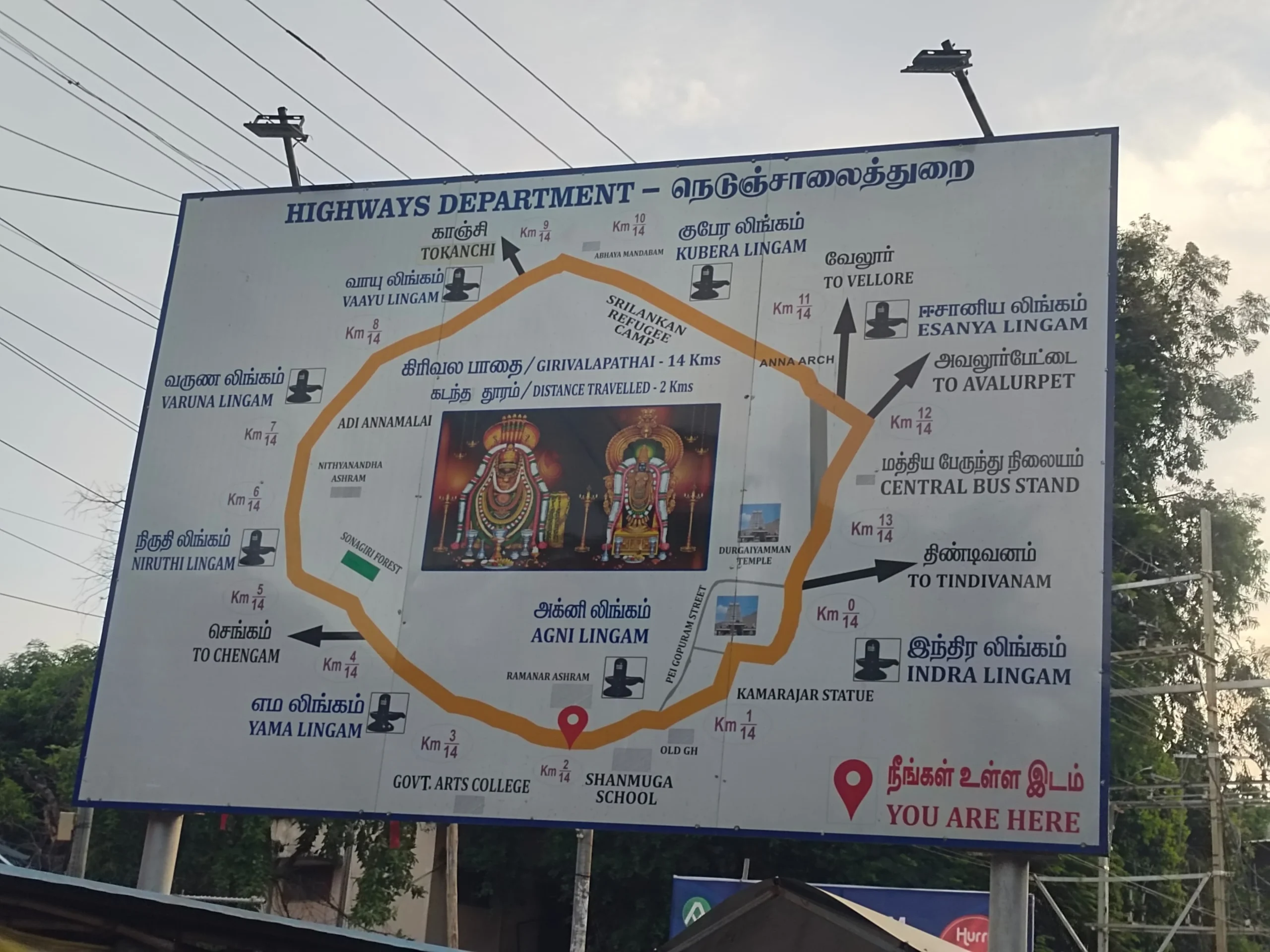
Perhaps the most physically demanding yet spiritually rewarding practice during Shivaratri at Tiruvannamalai is Girivalam—the circumambulation of the sacred Arunachala hill. This 14-kilometer walk around the mountain is considered equivalent to walking around the entire universe, as the hill itself is believed to be a manifestation of Lord Shiva.
On Maha Shivaratri night, hundreds of thousands of devotees undertake this barefoot journey, which typically takes 3-4 hours to complete. The path is dotted with eight lingams marking the eight directions, temples, and spots where saints have meditated. The route is illuminated with oil lamps, creating a river of light that winds around the sacred mountain.
Walking the Girivalam path on Shivaratri night is said to multiply the spiritual benefits manifold. Many devotees report experiencing profound states of meditation, spontaneous realizations, and a deep sense of connection with the divine during this pilgrimage.
Important Details for Your Visit in 2026
Date and Timing: In 2026, Maha Shivaratri falls on February 15. The celebrations begin at sunset on February 15 and continue until sunrise on February 16, featuring approximately 12–14 hours of continuous night-long worship (Jagaran) dedicated to Lord Shiva.
Regular Temple Schedule: Even during the special Shivaratri celebrations, the temple maintains its regular pooja schedule. The Ko Pooja begins at 5:00 AM, followed by the Ushakala Pooja at 5:30 AM. Understanding this schedule helps you plan your visit to witness specific rituals.
Crowd Management: Be prepared for exceptional crowds. The temple typically sees its highest footfall of the year during Shivaratri, with estimates ranging from 500,000 to over a million devotees. Special darshan arrangements are made, including separate queues for VIP entry, senior citizens, and general darshan.
Booking Your Rituals: Most special poojas can be booked in advance either through the official temple website or at the temple counter. Online booking opens approximately 30-45 days before the festival. Given the high demand, booking as early as possible is recommended, especially for premium offerings like Rudrabhishekam and 1008 Sangu Pooja.
Planning Your Transportation to Tiruvannamalai
Reaching Tiruvannamalai during Shivaratri requires advance planning, as the influx of devotees strains regular transportation systems. Located approximately 195 km from Chennai and 100 km from Vellore, the temple town is well-connected but experiences severe congestion during the festival.
Vishnu Travels specializes in providing comfortable and reliable transportation services to Tiruvannamalai, especially during festival seasons. With experienced drivers who know the best routes and timing to avoid peak congestion, they ensure you reach the temple safely and on time.
Whether you’re traveling solo, with family, or in a group, customized packages are available that can include pickup from Chennai, Bangalore, or other major cities, drop-off near the temple, waiting time for your darshan and rituals, and return journey—all coordinated to match your spiritual itinerary.
For bookings and inquiries, you can contact Vishnu Travels at +91 9063404081 or email vishnutravels6509@gmail.com. Visit their website at https://vishnu-travels.com/ to explore package options and plan your sacred journey.
Essential Tips for a Fulfilling Shivaratri Experience
Arrive Early: If you want to participate in specific poojas or secure a good position for darshan, arriving by late afternoon on Shivaratri day is advisable. This also gives you time to acclimate to the spiritual atmosphere before the main evening rituals begin.
Dress Code: Modest, traditional clothing is recommended. Men typically wear dhoti or simple kurta-pajama, while women wear sarees or salwar kameez. Remember to avoid leather items, as they’re prohibited in most temple areas.
Fasting Practices: Many devotees observe complete or partial fasts on Shivaratri. If you’re new to fasting, consider a fruit and milk diet rather than complete abstinence, especially given the physical demands of Girivalam.
Stay Hydrated: Despite fasting traditions, staying hydrated is crucial, especially if you’re undertaking Girivalam. Water is generally permitted even during strict fasts.
Accommodation: Book accommodation well in advance—months ahead if possible. Hotels and guesthouses in Tiruvannamalai fill up quickly, and prices increase during festival periods.
The Spiritual Significance: Why This Night Matters
Maha Shivaratri literally translates to “the Great Night of Shiva,” marking the night when Shiva performed the cosmic dance of creation, preservation, and destruction. It’s believed to be the night when Shiva and Parvati were married, and also the night when Shiva drank the poison that emerged during the churning of the cosmic ocean to save the universe.
At the Arulmigu Arunachaleswarar Temple, these cosmic events are not just commemorated but spiritually re-enacted through rituals. The four Jamas represent the four stages of consciousness, the abhishekams symbolize purification at multiple levels, and the continuous worship represents the eternal nature of divine consciousness.
Staying awake throughout the night isn’t merely a tradition—it’s a spiritual discipline designed to transcend ordinary consciousness and touch the divine realm that becomes especially accessible on this night.
Conclusion: Embracing the Divine at Arunachala
Experiencing Maha Shivaratri at the Arulmigu Arunachaleswarar Temple is more than attending a religious festival—it’s stepping into a living tradition that has been continuous for over a thousand years. The combination of powerful rituals like the Four-Jama Pooja, Rudrabhishekam, and the transformative practice of Girivalam creates an opportunity for profound spiritual experiences.
Whether you’re seeking blessings for specific life challenges, looking to deepen your spiritual practice, or simply drawn to experience one of India’s most authentic and powerful religious celebrations, Shivaratri at Tiruvannamalai delivers an unforgettable journey into the heart of Shaivite devotion.
As you plan your 2026 pilgrimage, remember that the journey itself is part of the spiritual practice. Choosing reliable transportation through services like Vishnu Travels ensures that the practical aspects of your trip are handled smoothly, allowing you to focus entirely on the spiritual dimensions of your experience.
The sacred fire of Arunachala has been burning eternally, calling seekers to its divine presence. This Shivaratri, perhaps that call is meant for you.