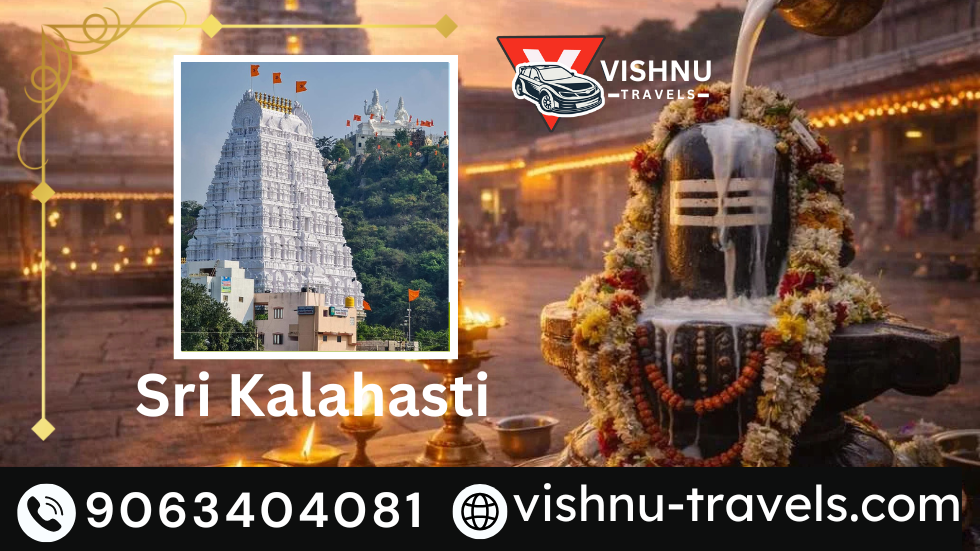
Sri Kalahasti Temple: A Complete Guide to the Sacred Abode of Rahu-Ketu
Nestled in the lush green landscape of Andhra Pradesh, about 36 kilometers from Tirupati, lies one of India’s most spiritually significant temples—Sri Kalahasti. This ancient Shiva temple, known as the “Kailash of the South,” attracts millions of devotees every year who come seeking divine blessings and liberation from planetary afflictions.
Unlike many temples that primarily focus on visual grandeur, Sri Kalahasti offers something profoundly spiritual—a connection to the five elements of nature and the cosmic forces that govern our lives. The temple is particularly renowned for performing Rahu-Ketu pooja, a powerful ritual believed to nullify the malefic effects of these shadow planets in one’s astrological chart.
Whether you’re a spiritual seeker, an architecture enthusiast, or simply curious about India’s rich temple heritage, Sri Kalahasti promises an experience that touches your soul. This comprehensive guide will help you understand everything about this magnificent temple, from its fascinating legends to practical travel information.
The Legend Behind Sri Kalahasti Temple
Every great temple has a story, and Sri Kalahasti’s legend is as captivating as the temple itself. The name “Kalahasti” is derived from three words: “Kala” (serpent), “Hasti” (elephant), and “Sri” (spider). According to ancient scriptures, these three creatures were devoted to Lord Shiva and worshipped him in their unique ways at this sacred location.
The spider wove webs over the Shivalinga to protect it from falling leaves, the serpent offered precious gems from the underworld, and the elephant brought water from the nearby river to bathe the deity. Each creature, driven by pure devotion, performed these acts without any expectation of reward. Lord Shiva, pleased with their selfless devotion, granted them moksha (liberation) and the temple came to be known by their collective names.
This beautiful legend teaches us that true devotion knows no barriers of form or species—what matters is the purity of heart and sincerity of worship. It’s this spiritual essence that permeates every corner of Sri Kalahasti temple even today.
Why Sri Kalahasti is Known as Dakshina Kailasam
Sri Kalahasti holds the prestigious title of “Dakshina Kailasam” or “Southern Kailash,” comparing it to Lord Shiva’s celestial abode, Mount Kailash in the Himalayas. This designation isn’t merely honorific—it stems from the temple’s profound spiritual significance and its representation of the element of air (Vayu).
The temple is one of the Pancha Bhoota Sthalas, representing the five elements of nature. While other temples in this sacred circuit represent earth, water, fire, and space, Sri Kalahasti uniquely embodies air. Inside the sanctum sanctorum, devotees can witness a constantly flickering oil lamp despite no visible air current—a phenomenon believed to be caused by divine breath, reinforcing the temple’s connection to the air element.
This mystical occurrence has fascinated pilgrims and scientists alike for centuries, adding to the temple’s reputation as a place where the ordinary laws of nature bow before divine presence.
The Significance of Rahu-Ketu Pooja at Sri Kalahasti
If there’s one ritual that has made Sri Kalahasti famous across India and beyond, it’s the Rahu-Ketu pooja. According to Vedic astrology, Rahu and Ketu are shadow planets that can significantly influence one’s life, often bringing challenges, obstacles, and karmic lessons.
What is Rahu-Ketu Pooja?
This special pooja is performed to appease these celestial forces and reduce their negative effects on one’s life. People experiencing difficulties in marriage, career stagnation, health issues, or unexplained obstacles often turn to this powerful ritual for relief.
The pooja is conducted by temple priests following strict Vedic traditions. It involves specific mantras, offerings, and rituals that span several hours. What makes this pooja particularly special is that Sri Kalahasti is considered the most potent location in India for performing this remedy, as Lord Shiva here is believed to have special powers over these planetary forces.
When Should You Perform Rahu-Ketu Pooja?
While the pooja can be performed on any day, certain times are considered more auspicious:
- Rahu Kalam (inauspicious time period) on any day is actually considered favorable for this specific pooja
- Amavasya (new moon day) holds special significance
- During major eclipses, the temple sees maximum devotees seeking this ritual
- When Rahu or Ketu transits through important houses in your birth chart
Many devotees consult with astrologers before booking their pooja to ensure maximum spiritual benefit. The temple administration has streamlined the booking process, making it easier for devotees from across the world to participate in this sacred ritual.
Architectural Marvel: Understanding the Temple Structure
Sri Kalahasti temple is not just a spiritual center but also an architectural masterpiece that spans several centuries of construction and renovation. The temple complex covers a vast area and showcases the Dravidian style of architecture that South India is famous for.
The main gopuram (temple tower) stands tall at approximately 120 feet, adorned with intricate carvings depicting various scenes from Hindu mythology. As you enter through the main gateway, you’ll notice the attention to detail in every sculpture, every pillar, and every carving—each telling a story from the ancient scriptures.
The temple has multiple prakarams (enclosures) that you traverse as you move toward the main sanctum. The outer walls are decorated with elaborate sculptures of gods, goddesses, celestial beings, and mythological creatures. These aren’t mere decorations; they serve as visual narratives teaching spiritual lessons to devotees.
The Inner Sanctum: A Divine Experience
The garbhagriha (sanctum sanctorum) houses the main deity—a Shivalinga in its natural, self-manifested form known as a Swayambhu. The lingam is unique because it’s covered with a white cloth, as it’s believed to be constantly growing. This rare phenomenon adds to the temple’s mystical reputation.
The flickering lamp (deepam) that burns despite no visible air movement is positioned near the deity, and witnessing this natural miracle is a moment of profound spiritual significance for most visitors. The sanctum maintains a certain atmospheric quality—cool, serene, and charged with spiritual energy—that many describe as deeply moving.
Sri Kalahasti Temple Timings and Darshan Details
Planning your visit requires understanding the temple’s schedule, as timings vary based on daily rituals and special occasions.
Regular Temple Timings:
- Morning: 6:00 AM to 12:30 PM
- Evening: 4:00 PM to 8:30 PM
The temple remains closed during afternoon hours when the deity is believed to be resting. This pattern follows traditional Hindu temple protocols that treat the deity as a living presence with daily routines.
Different Types of Darshan Available:
The temple offers various darshan options to accommodate different needs and time constraints:
Sarva Darshan (Free Darshan): This is the general queue open to all devotees without any charges. During peak seasons and festivals, this queue can be quite long, sometimes extending to several hours of waiting time.
Special Entry Darshan: For a nominal fee, devotees can avail faster darshan through special entry tickets. This significantly reduces waiting time while ensuring a comfortable temple visit.
VIP Break Darshan: This premium option allows devotees to have darshan during the temple’s scheduled break times, offering a more peaceful and less crowded experience.
Rahu-Ketu Pooja Participants: Those who have booked the Rahu-Ketu pooja are given separate entry and have extended time in the sanctum during their ritual.
It’s advisable to check the official temple website or contact the temple administration for current ticket prices and booking procedures, as these can change periodically.
Best Time to Visit Sri Kalahasti
Choosing the right time for your temple visit can greatly enhance your experience. Sri Kalahasti welcomes devotees throughout the year, but different seasons offer different advantages.
Weather-Wise Considerations:
October through March represents the ideal period for visiting Sri Kalahasti. The weather during these months is pleasant, with temperatures ranging between 15-30°C. The cooler climate makes it comfortable to explore the temple complex and participate in lengthy rituals without the discomfort of extreme heat.
April to June can be quite hot, with temperatures soaring above 40°C. If you’re visiting during summer, plan your temple visit for early morning hours when it’s relatively cooler. Carry water, wear light cotton clothes, and protect yourself from the sun.
The monsoon season (July to September) brings relief from the heat and adds a refreshing green beauty to the surrounding landscape. However, occasional heavy rains might disrupt travel plans, so check weather forecasts before planning your trip during these months.
Festival Calendar:
Visiting during major festivals offers a unique cultural and spiritual experience, though you should be prepared for larger crowds:
Maha Shivaratri is the grandest celebration at Sri Kalahasti, attracting hundreds of thousands of devotees. The temple stays open throughout the night, and special rituals are performed. The atmosphere is electric with devotion, bhajans, and spiritual fervor.
Brahmotsavam is an annual 10-day festival celebrated with great enthusiasm. The deity is taken out in colorful processions, and the temple is beautifully decorated. Each day has specific rituals and celebrations that showcase the rich tradition of temple worship.
Mondays hold special significance as they’re dedicated to Lord Shiva. Regular Mondays see increased footfall, while Mondays during the auspicious month of Shravan (July-August) witness massive crowds.
How to Reach Sri Kalahasti: Complete Travel Guide
Sri Kalahasti’s location makes it easily accessible from several major cities in South India. Here’s how you can plan your journey:
By Air:
The nearest airport is Tirupati Airport (Renigunta), located approximately 30 kilometers from Sri Kalahasti. However, flight connectivity to Tirupati is limited. For better flight options, consider flying into Chennai International Airport, which is about 135 kilometers away. Chennai offers excellent domestic and international connectivity.
From either airport, you can hire a taxi or book a cab service like Vishnu Travels for a comfortable journey to the temple town.
By Train:
Sri Kalahasti has its own railway station (station code: KHT), which is well-connected to major cities like Chennai, Bangalore, Hyderabad, and Vijayawada. The station is located just 3 kilometers from the temple, making it very convenient for pilgrims.
However, not all trains stop at Sri Kalahasti station. Alternatively, you can take a train to Tirupati, which has better connectivity, and then cover the remaining 36 kilometers by road.
By Road:
Sri Kalahasti is well-connected by road to all major cities in Andhra Pradesh and neighboring states:
- From Tirupati: 36 km (approximately 45 minutes)
- From Chennai: 135 km (approximately 2.5-3 hours)
- From Bangalore: 220 km (approximately 4 hours)
- From Vellore: 90 km (approximately 1.5 hours)
State-run buses (APSRTC) operate regular services from these cities to Sri Kalahasti. However, for a more comfortable and personalized travel experience, hiring a private cab is recommended.
Why Choose Vishnu Travels for Your Sri Kalahasti Trip
When you’re embarking on a spiritual journey, the last thing you want is travel-related stress and hassles. This is where professional cab services like Vishnu Travels make all the difference.
Comfortable and Reliable Transportation:
At Vishnu Travels, we understand that pilgrimage trips require special care and consideration. Our fleet of well-maintained, air-conditioned vehicles ensures you travel in comfort, regardless of the weather outside. Whether you’re traveling solo, with family, or in a group, we have vehicle options to suit every need—from sedans for small families to tempo travelers for larger groups.
Experienced Drivers with Local Knowledge:
Our drivers are more than just chauffeurs—they’re experienced professionals who know the routes thoroughly and can guide you with local information. They understand the significance of your spiritual journey and ensure punctuality, safety, and respect throughout your trip.
Flexible and Customizable Packages:
We offer various packages for Sri Kalahasti temple visits:
- Day trip from Tirupati: Perfect if you’re already visiting Tirupati and want to add Sri Kalahasti to your itinerary
- Combined packages: Visit Sri Kalahasti along with other nearby temples and attractions
- Custom itineraries: Tell us your requirements, and we’ll create a personalized travel plan
Contact Vishnu Travels:
- Phone: +91 9063404081
- Email: vishnutravels6509@gmail.com
- Website: vishnu-travels.com
Our customer service team is always ready to assist you with bookings, itinerary planning, and any queries you might have about your journey.
Essential Tips for Your Sri Kalahasti Temple Visit
A little preparation goes a long way in ensuring a smooth and spiritually fulfilling temple visit. Here are some practical tips based on years of pilgrims’ experiences:
Dress Code:
While the temple doesn’t enforce a strict dress code, modest clothing is expected and appreciated. Men typically wear dhoti or traditional pants with shirts, while women wear sarees, salwar kameez, or long skirts with appropriate tops. Avoid shorts, sleeveless tops, or revealing clothing out of respect for the sacred space.
What to Carry:
Keep your belongings minimal. The temple has facilities for depositing footwear and bags, but it’s better to travel light. Carry a small bag with essentials like your ID proof (required for special darshan tickets), some cash for offerings and prasadam, a water bottle, and any medications you might need.
Photography Restrictions:
Photography is generally not allowed inside the main temple premises, especially in the sanctum sanctorum. Respect these rules as they’re in place to maintain the sanctity of the worship space. You can take photos in the outer areas and gopuram where permitted.
Pre-Booking Recommendations:
If you’re planning to perform Rahu-Ketu pooja or want special darshan tickets, book them in advance through the temple’s official channels. This saves time and ensures you don’t miss out, especially during peak seasons and festival days.
Local Etiquette:
Follow the queue discipline, speak softly within temple premises, and switch your mobile phone to silent mode. When receiving prasadam or teertham (holy water), accept it with both hands as a sign of respect. If you’re unfamiliar with temple protocols, don’t hesitate to observe others or politely ask temple volunteers for guidance.
Accommodation Options Near Sri Kalahasti
Finding suitable accommodation near the temple is easy, as Sri Kalahasti has developed good infrastructure to serve the constant flow of pilgrims.
Temple Accommodation:
The temple administration runs several guesthouses and choultries (pilgrims’ rest houses) that offer basic, clean accommodation at very affordable rates. These are ideal for budget-conscious travelers and those who prefer staying close to the temple. The rooms are simple but well-maintained, with basic amenities.
Private Hotels:
The town has several private hotels ranging from budget to mid-range categories. These offer more comfort and amenities compared to temple accommodation. Most hotels are located within 1-2 kilometers of the temple, making it convenient for multiple visits during your stay.
Staying in Tirupati:
Many pilgrims prefer to stay in Tirupati, which offers a wider range of accommodation options from budget lodges to luxury hotels. Since Sri Kalahasti is just 36 kilometers away, you can easily make a day trip or book early morning transportation. This option works well if you’re planning to visit both Tirupati Balaji temple and Sri Kalahasti during the same trip.
Places to Visit Around Sri Kalahasti
While the temple itself is the primary attraction, the region around Sri Kalahasti offers several interesting places worth exploring:
Bharadwaja Tirtham:
Located about 3 kilometers from the main temple, this sacred bathing ghat on the banks of the Swarnamukhi River holds religious significance. According to legend, Sage Bharadwaja performed penance here. Many devotees take a holy dip before visiting the main temple.
Veyilingala Kona Waterfalls:
Approximately 8 kilometers from Sri Kalahasti, this scenic waterfall is a perfect spot for nature lovers. The name literally means “thousand-pot waterfall” in Telugu, referring to the numerous small pools formed by the cascading water. The journey to the falls involves a pleasant trek through greenery.
Sri Subrahmanyeswara Swamy Temple:
Located in Mopidevi village near Sri Kalahasti, this ancient temple dedicated to Lord Subramanya (Kartikeya) is architecturally significant and spiritually powerful. It’s considered one of the important temples in the region.
Tirupati:
Just 36 kilometers away, Tirupati with its world-famous Venkateswara Temple makes for an excellent addition to your pilgrimage circuit. Many travelers plan their visit to include both these powerful temples in a single trip.
If you’re planning to visit multiple locations, Vishnu Travels can arrange customized packages that cover all these places efficiently, saving you time and ensuring a comfortable journey throughout.
Food and Prasadam at Sri Kalahasti
No temple visit is complete without partaking in the sacred prasadam, and Sri Kalahasti offers delicious traditional offerings.
Temple Prasadam:
The main prasadam distributed at Sri Kalahasti is “Appam,” a sweet prepared with rice flour, jaggery, and ghee. This prasadam is particularly famous for its taste and is believed to carry the divine blessings of Lord Shiva. You can purchase prasadam coupons at designated counters inside the temple.
Annadanam (Free Meals):
The temple runs an Annadanam scheme where free meals are served to all devotees, regardless of their economic status. This charitable initiative reflects the temple’s commitment to the principle that no one should leave a place of worship on an empty stomach. The meals are simple but wholesome, typically consisting of rice, sambar, vegetables, and curd.
Local Restaurants:
The town has several vegetarian restaurants serving authentic Andhra cuisine. You’ll find everything from South Indian breakfast items like idli, dosa, and vada to full meals (thalis) with a variety of curries and rice preparations. The food is generally spicy, so don’t hesitate to ask for mild versions if you’re not accustomed to spicy food.
Understanding the Spiritual Significance of Sri Kalahasti
Beyond the architectural beauty and ritualistic practices lies the deeper spiritual essence of Sri Kalahasti that has drawn seekers for millennia.
The Concept of Vayu Lingam:
As one of the Pancha Bhoota Sthalas, Sri Kalahasti represents air or wind. This element symbolizes the vital life force (prana) that sustains all living beings. Worshipping here is believed to purify one’s prana and remove obstacles in the flow of life energy.
The self-flickering lamp in the sanctum serves as a physical manifestation of this concept—showing how divine energy moves freely, unseen yet powerfully felt. This phenomenon reminds devotees that like air, the divine is omnipresent yet invisible, powerful yet subtle.
Liberation Through Devotion:
The legend of the spider, serpent, and elephant teaches that liberation isn’t dependent on one’s form, knowledge, or social status—it comes through pure, selfless devotion. This democratic spiritual principle makes Sri Kalahasti particularly dear to devotees from all walks of life.
Karmic Remedies:
The temple’s fame for Rahu-Ketu pooja connects to the broader Hindu understanding of karma and planetary influences. According to Vedic astrology, our current life circumstances are influenced by past karmas, and certain planets bring these karmas to fruition. Performing remedies like Rahu-Ketu pooja is believed to help mitigate severe karmic debts and smooth one’s life path.
However, temple priests and spiritual guides always emphasize that these rituals work best when combined with righteous living, good deeds, and sincere devotion. The pooja is not a magical solution but a spiritual tool to help align one’s life with cosmic harmony.
Festivals Celebrated at Sri Kalahasti
The temple’s festival calendar is rich and vibrant, with celebrations that showcase the region’s cultural heritage and devotional traditions.
Maha Shivaratri:
This is undoubtedly the biggest festival at Sri Kalahasti, celebrated with unmatched fervor. Devotees observe fast, perform night-long vigils, and offer special prayers to Lord Shiva. The temple remains open throughout the night, and special abhishekams (sacred baths to the deity) are performed every few hours. The atmosphere is charged with spiritual energy as thousands of devotees chant “Om Namah Shivaya” in unison.
Brahmotsavam:
This 10-day annual festival is a spectacular celebration featuring daily processions of the deity on different vahanas (vehicles). Each day has its unique significance and rituals. The temple is elaborately decorated with flowers, lights, and traditional ornaments. Cultural programs, classical music concerts, and religious discourses are organized throughout the festival period.
Kartika Masam:
The entire month of Kartika (October-November) is considered highly auspicious for Lord Shiva worship. The temple sees increased footfall during this period, with devotees performing special vratas (vows) and participating in daily rituals.
Pradosham:
Occurring twice a month (13th day after new moon and full moon), Pradosham is particularly significant for Shiva temples. Special prayers and abhishekams are conducted, and devotees believe that prayers offered during Pradosham are especially powerful.
Planning your visit during these festivals offers a richer cultural experience, though you should be prepared for larger crowds and longer waiting times.
The Spiritual Journey: What to Expect
For first-time visitors, understanding what awaits can help you prepare mentally and spiritually for your Sri Kalahasti experience.
As you approach the temple, you’ll notice the towering gopuram rising above the town—a sight that fills many devotees with anticipation and reverence. The entrance area buzzes with activity: vendors selling flowers, coconuts, and other puja items; priests offering to perform special rituals; and fellow pilgrims, each absorbed in their spiritual quest.
After removing your footwear at the designated area and depositing any bags, you enter the temple premises. The air feels different—cooler, charged with the fragrance of incense and flowers. As you move through the various prakarams, you’ll pass shrines dedicated to different deities, each with its own legend and significance.
The closer you get to the main sanctum, the more the atmosphere intensifies. The sound of temple bells, chanting of mantras, and the devotional fervor of fellow worshippers create an environment conducive to spiritual contemplation. When you finally stand before the main deity and witness the mysteriously flickering lamp, many describe experiencing a profound sense of peace, as if the divine presence is palpable in that sacred space.
Whether you’re a believer seeking blessings, someone interested in exploring India’s spiritual heritage, or a curious traveler, Sri Kalahasti offers something meaningful to everyone who approaches it with an open heart and respectful attitude.
Combining Sri Kalahasti with Other Temple Visits
Many pilgrims design their South India temple tour to include multiple sacred destinations. Here are some popular combinations:
The Tirupati-Sri Kalahasti Circuit:
This is the most common combination. Both temples are relatively close (36 km apart) and can be comfortably covered in 2-3 days. Most travelers visit Tirupati Venkateswara Temple first and then proceed to Sri Kalahasti. Vishnu Travels offers special packages for this popular circuit.
Pancha Bhoota Sthalas Pilgrimage:
For those seeking a comprehensive spiritual journey, visiting all five Pancha Bhoota Sthalas creates a complete darshan of Lord Shiva in his elemental forms:
- Sri Kalahasti (Air)
- Kanchipuram – Ekambareswarar Temple (Earth)
- Tiruvannamalai – Arunachaleswarar Temple (Fire)
- Chidambaram – Nataraja Temple (Space)
- Tiruvanaikaval – Jambukeswarar Temple (Water)
This pilgrimage typically requires 5-7 days and covers several cities across Tamil Nadu and Andhra Pradesh. Planning and logistics for such an extensive tour are significantly simplified when you book with experienced travel services.
South India Shiva Temple Trail:
Adding other famous Shiva temples like Srikalahasteeswara Temple creates a rich spiritual journey through South India’s Shaivite heritage. Each temple has unique legends, architectural styles, and spiritual significance.
Practical Information for International Visitors
Sri Kalahasti welcomes devotees from across the world, and if you’re an international visitor, here’s what you need to know:
Visa Requirements:
International visitors need a valid Indian visa. Most countries are eligible for e-Visa, which makes the application process relatively simple. Apply well in advance of your travel dates to avoid last-minute hassles.
Currency:
The Indian Rupee (INR) is the local currency. While major hotels and travel services accept cards, it’s advisable to carry sufficient cash for temple offerings, prasadam purchases, and donations. ATMs are available in Sri Kalahasti town and Tirupati.
Language:
Telugu is the local language, though you’ll find that temple staff and locals in tourist areas generally understand basic Hindi and English. Having translation apps on your phone can be helpful for deeper conversations.
Health Precautions:
Drink only bottled or purified water, especially if you’re not accustomed to local water. Carry basic medications for common ailments like headaches, stomach upsets, or allergies. The temple town has medical facilities, but having your prescription medications is always wise.
Cultural Sensitivity:
Respect local customs and traditions. Remove your footwear before entering the temple, dress modestly, and follow temple protocols. Being respectful and open-minded will enrich your experience and is deeply appreciated by locals.
Conclusion: A Journey Worth Taking
Sri Kalahasti is more than just a temple—it’s a living testament to India’s unbroken spiritual tradition spanning thousands of years. Whether you come seeking relief from planetary afflictions through Rahu-Ketu pooja, exploring architectural marvels, or simply experiencing the profound peace that sacred spaces offer, this temple has something special waiting for you.
The journey to Sri Kalahasti is as important as the destination itself. The scenic route through Andhra Pradesh’s landscape, the anticipation building as you approach the temple town, and finally standing before the ancient deity in the sanctum where countless devotees have found solace—these experiences combine to create memories that last a lifetime.
At Vishnu Travels, we’re honored to be part of your spiritual journey. Our commitment goes beyond just providing transportation; we aim to ensure that your entire pilgrimage experience is comfortable, stress-free, and spiritually fulfilling. Our experienced drivers, well-maintained vehicles, and personalized service have made us the preferred choice for thousands of pilgrims traveling to Sri Kalahasti and other sacred destinations across South India.
Ready to embark on your spiritual journey to Sri Kalahasti? Contact Vishnu Travels today:
- Phone: +91 9063404081
- Email: vishnutravels6509@gmail.com
- Website: vishnu-travels.com
Let us handle your travel logistics while you focus on what truly matters—your spiritual experience and divine connection at this sacred abode of Lord Shiva.
Book your Sri Kalahasti temple trip with Vishnu Travels and discover why thousands of devotees trust us for their pilgrimage journeys. Your path to peace and blessings starts here.